
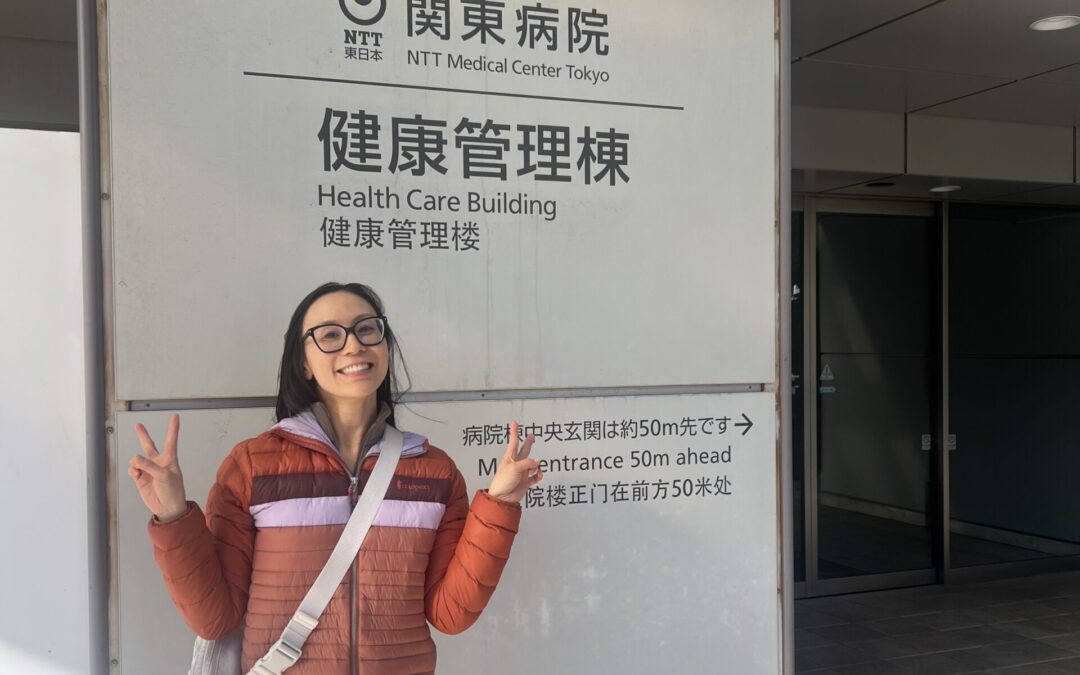
I arrived at the hospital in Tokyo on a clear December morning aware of two things: how far I was from home and how little Japanese I speak.
Like many visitors to Japan, my vocabulary consists of pleasantries, menu items, and apologies, which is hardly the skill you need when checking in for a full medical workup.
As a physician practicing in the United States, I know how medical visits usually unfold, yet that knowledge does not make the experience easier once you become the patient.
Although I’d been to Japan many times before, the country has long fascinated me with its longevity. It consistently ranks among places where people live the longest, and although many factors contribute, its cultural embrace of preventive medicine stands out.
On this trip, I was determined to experience that system from the inside.
Despite my worries about the language barrier, booking the appointment through the Nippon Health website turned out to be easier than expected.
I chose NTT Tokyo in Shinagawa, one of many medical centers that accommodates international patients. The website was in English, the intake forms were straightforward, and the email responses arrived quickly. Within two days, I had a confirmed appointment.
The type of checkup I scheduled costs about $1,800 and is known in Japan as a “ningen dock.”
The phrase loosely translates to “human dock,” borrowing the nautical image of pulling a ship from the water so its structure can be inspected before it returns to sea.
The goal is not to wait for problems, but to periodically examine the vessel. After all, preventive screening in Japan is simply part of the routine maintenance of adulthood.
When I arrived at the clinic, I searched for English signs while the antiseptic air stirred a subtle flicker of nerves.
My nerves faded when the elevator doors opened. A supervising nurse greeted me with a bow and introduced me to the Japanese-to-English translator, who would guide me through the day.
They led me down a spotless hallway to a private changing room where a neatly folded patient uniform waited: sweatpants and a brown scrub-style top that felt almost dignified compared with the backless gowns I hand my own patients.
I pulled the sleeves toward my wrists and watched them stop short, a reminder that I was an American-sized body navigating a Japanese system.
Over the next four hours, I moved through a comprehensive preventive medical checkup that, in the US, would typically require months of scheduling, referrals, and coordination…..
Read the full article at Business Insider.